
Your Guide to Brain & Spine Health

Explore our Health Library—your trusted guide to understanding brain and spine health, with expert-backed information for better care and awareness.

Hydrocephalus is a neurological condition in which excess cerebrospinal fluid (CSF) accumulates in the brain’s ventricles, leading to increased pressure on brain tissues. It can occur due to blockage of CSF flow, poor absorption, infection, tumor, injury, or may be present from birth (congenital)

Chiari Malformations are structural abnormalities where a part of the brain, called the cerebellum, extends downward into the spinal canal through the foramen magnum (opening at the base of the skull). This disrupts the normal flow of cerebrospinal fluid (CSF) and can put pressure on the brain and spinal cord.

A Ventriculoperitoneal (VP) shunt is a medical device used to treat hydrocephalus, a condition where excess cerebrospinal fluid (CSF) builds up in the brain. The shunt system consists of a thin tube (catheter) and a valve, which helps drain the extra fluid from the brain’s ventricles into the abdominal cavity (peritoneum), where it is absorbed by the body.

Craniosynostosis is a birth defect in which one or more of the fibrous joints (sutures) of a baby’s skull close prematurely. This early fusion restricts normal skull and brain growth, leading to an abnormal head shape and, in some cases, increased pressure on the brain.

Craniofacial syndromes are a group of congenital (present at birth) conditions that affect the growth and development of the skull and facial bones. These syndromes often occur due to genetic mutations and may impact both appearance and function.

Pediatric Traumatic Brain Injury (TBI) refers to damage to a child’s brain caused by a sudden blow, fall, accident, or impact. It can range from mild (concussion) to severe injuries that affect brain function.Common symptoms include headache, vomiting, dizziness, confusion, loss of consciousness, seizures, and behavioral changes. In infants, signs may include irritability, poor feeding, or excessive crying.

Neurologic disorders are a broad group of conditions that affect the brain, spinal cord, and nerves, disrupting normal body functions such as movement, sensation, cognition, and behavior.

Arteriovenous Malformations (AVMs) are abnormal tangles of blood vessels where arteries connect directly to veins without normal capillaries in between. This disrupts normal blood flow and can put stress on vessel walls.AVMs are usually congenital (present at birth) but may not cause symptoms until later in life. Common symptoms include headaches, seizures, neurological deficits, or bleeding (hemorrhage) if the AVM ruptures.

Moyamoya Disease is a rare, progressive neurological condition in which the major arteries at the base of the brain become narrowed or blocked, reducing blood flow. To compensate, the brain forms tiny, fragile blood vessels that appear like a “puff of smoke” on imaging

Tethered Spinal Cord is a neurological condition in which the spinal cord is abnormally attached (tethered) to surrounding tissues, limiting its normal movement within the spine. As a child grows, this can cause the spinal cord to stretch, leading to nerve damage.

Intractable Epilepsies (also called drug-resistant epilepsy) are forms of epilepsy in which seizures are not controlled despite adequate trials of anti-epileptic medications.

Patients may experience frequent or severe seizures, which can affect daily life, learning, behavior, and overall development—especially in children.

A Vagal Nerve Stimulator (VNS) is a small, implantable medical device used to help control drug-resistant epilepsy and certain neurological conditions. It works by sending regular electrical impulses to the vagus nerve in the neck, which then helps regulate abnormal brain activity.


Tethered Cord Syndrome is a neurological condition in which the spinal cord is abnormally attached (tethered) to surrounding tissues, restricting its normal movement within the spine. As the body grows, this causes the spinal cord to stretch, leading to nerve damage.

Epilepsies are a group of neurological disorders characterized by recurrent, unprovoked seizures caused by abnormal electrical activity in the brain.

Seizures can vary in type, including focal (affecting one part of the brain) or generalized (involving the whole brain), and may present as convulsions, loss of awareness, unusual movements, or sensory disturbances.

Intractable Epilepsies (also known as drug-resistant epilepsy) are forms of epilepsy in which seizures persist despite adequate treatment with anti-epileptic medications.

Patients often experience frequent, severe, or unpredictable seizures, which can impact daily activities, learning, and overall quality of life—especially in children.

A Baclofen Pump is an implantable medical device used to treat severe spasticity (muscle stiffness) caused by neurological conditions such as cerebral palsy, spinal cord injury, or brain disorders.

The pump is surgically placed under the skin of the abdomen and delivers baclofen medication directly into the spinal fluid (intrathecal space) through a catheter. This allows better symptom control with lower doses and fewer side effects compared to oral medications.

Craniosynostosis is a congenital condition in which one or more of the skull sutures fuse prematurely, restricting normal skull and brain growth. This results in an abnormal head shape and, in some cases, increased intracranial pressure.

Plagiocephaly is a condition characterized by a flattened or asymmetrical shape of a baby’s head, most commonly caused by prolonged pressure on one part of the skull. It is usually positional (deformational) and not due to premature fusion of skull bones.

A concussion is a mild traumatic brain injury (TBI) caused by a sudden blow or jolt to the head, leading to temporary disruption of normal brain function.

Common symptoms include headache, dizziness, confusion, nausea, blurred vision, sensitivity to light or noise, and temporary loss of consciousness in some cases. In children, it may also present as irritability, excessive crying, or changes in behavior.

Intrathecal Baclofen Therapy (ITB) is an advanced treatment used to manage severe spasticity (muscle stiffness and tightness) caused by neurological conditions such as cerebral palsy, spinal cord injury, or brain disorders.

Craniopharyngioma is a rare, benign (non-cancerous) brain tumor that develops near the pituitary gland and hypothalamus, typically in the suprasellar region of the brain. It is more commonly seen in children and adolescents, but can also occur in adults.

Brachial Plexus Injury is a condition involving damage to the network of nerves (brachial plexus) that controls movement and sensation in the shoulder, arm, and hand. It commonly occurs due to stretching, compression, or tearing of these nerves, often during birth (in newborns) or from trauma/accidents.

Cavernous Malformations (also called cavernomas) are abnormal clusters of dilated blood vessels in the brain or spinal cord that have thin, fragile walls. These lesions can leak small amounts of blood or occasionally bleed, affecting surrounding brain tissue.They may be present at birth or develop over time, and some cases are linked to genetic factors.

Cortical Dysplasia is a congenital brain abnormality in which the cerebral cortex (outer layer of the brain) does not develop normally. This leads to disorganized brain cells and abnormal electrical activity.It is one of the common causes of drug-resistant epilepsy, especially in children.

Chiari Malformation is a structural condition in which a part of the cerebellum extends downward into the spinal canal through the foramen magnum, disrupting the normal flow of cerebrospinal fluid (CSF).It is usually present at birth (congenital) but may also develop later. The condition can lead to pressure on the brain and spinal cord.

Pediatric Traumatic Brain Injury (TBI) is damage to a child’s brain caused by a sudden blow, fall, or impact to the head. It can range from mild (concussion) to severe injuries affecting brain function. Common symptoms include headache, vomiting, dizziness, confusion, seizures, and loss of consciousness. In infants, signs may include irritability, poor feeding, excessive crying, or drowsiness.

Treating brain tumors involves a combination of therapies aimed at removing or controlling the tumor while preserving brain function. The treatment plan depends on the type, size, location of the tumor, and patient’s age and health.

Arteriovenous Malformations (AVMs) are abnormal tangles of blood vessels where arteries connect directly to veins without the normal capillary network. This leads to disrupted blood flow and increased pressure on vessel walls.

Pediatric Traumatic Brain Injury (TBI) is damage to a child’s brain caused by a sudden blow, fall, or impact to the head. It can range from mild (concussion) to severe injuries affecting brain function. Common symptoms include headache, vomiting, dizziness, confusion, seizures, and loss of consciousness. In infants, signs may include irritability, poor feeding, excessive crying, or drowsiness.

Why Choose Us?

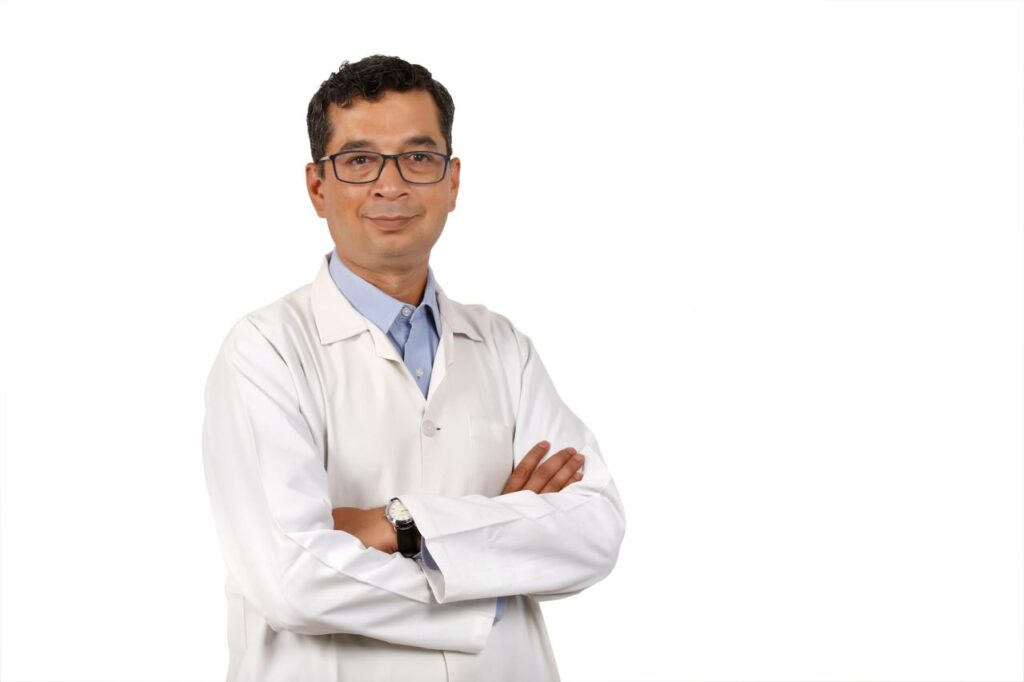
Dr Anurag Sharma

Dr. Anurag Sharma is a fellowship-trained Paediatric Neurosurgeon with                          over 25 years of medical experience. He is dedicated to providing ethical,                    world-class neurosurgical care for children, specializing in complex                          brain and spine conditions

Our happy Patients

We’ve helped thousands of people move

Hear from our patients and families as they share their experiences, success stories, and trust in our expert care.

Madhuresh Madhup

Rated 5 out of 5

“Dr anurag sharma and Dr sachin gupta are so supportive and helpful, make u feel comfortable nd always do their optimum to serve u, I m glad that my nephew brain tumor surgery done under their consultancy nd d operation is successful, thank you both of u from bottom of my heart ❤”

Akansha Singh

Rated 5 out of 5

“Doctors are so supportive, polite in nature and cooperative, whole environment of hospital is just lyk home nd behavior of doctors are so friendly nd warmth feeling, special thanks to Dr Sachin Gupta and Dr Anurag sharma, a hearfelt gratitude to both of them.”

Manas Dutta

Rated 5 out of 5

“We are lucky to get Dr. Sachin Gupta and Dr. Anurag Sharma (Pediatric Neurosurgeon) as doctor for our son. They are so kind & friendly and approachable anytime. Created a special bond with our son. Thank you so much doctor.
Special thanks to all the staff who have been so caring and helpful all the time.
Great hospital with all the modern equipment and facilities.”

Patients treated
0 +
Satisfaction Rate
0 /5
Surgery Done
+ 0

© 2026 Movely. All Rights Reserved.